Chef's line

Chef's line: specialty grow profiles for a better harvest

12 paid profiles, each tuned for one result you can taste or see: dense lion's mane, flower cap shiitake, thick king oyster stems, bright pink oysters, and more. Each is a one-time purchase. Once you buy it, the full recipe is yours for good.

Every profile runs on a Shrooly chamber with OpenShrooly. Most cost $2.99. The most involved ones cost $3.99.

Cultivated Hypsizygus marmoreus beech shimeji fruiting bodies in a tight cluster
Photo: Batholith, Public domain, via Wikimedia CommonsCultivated shimeji in Japan. Not grown with this profile.

Chef's line$2.99

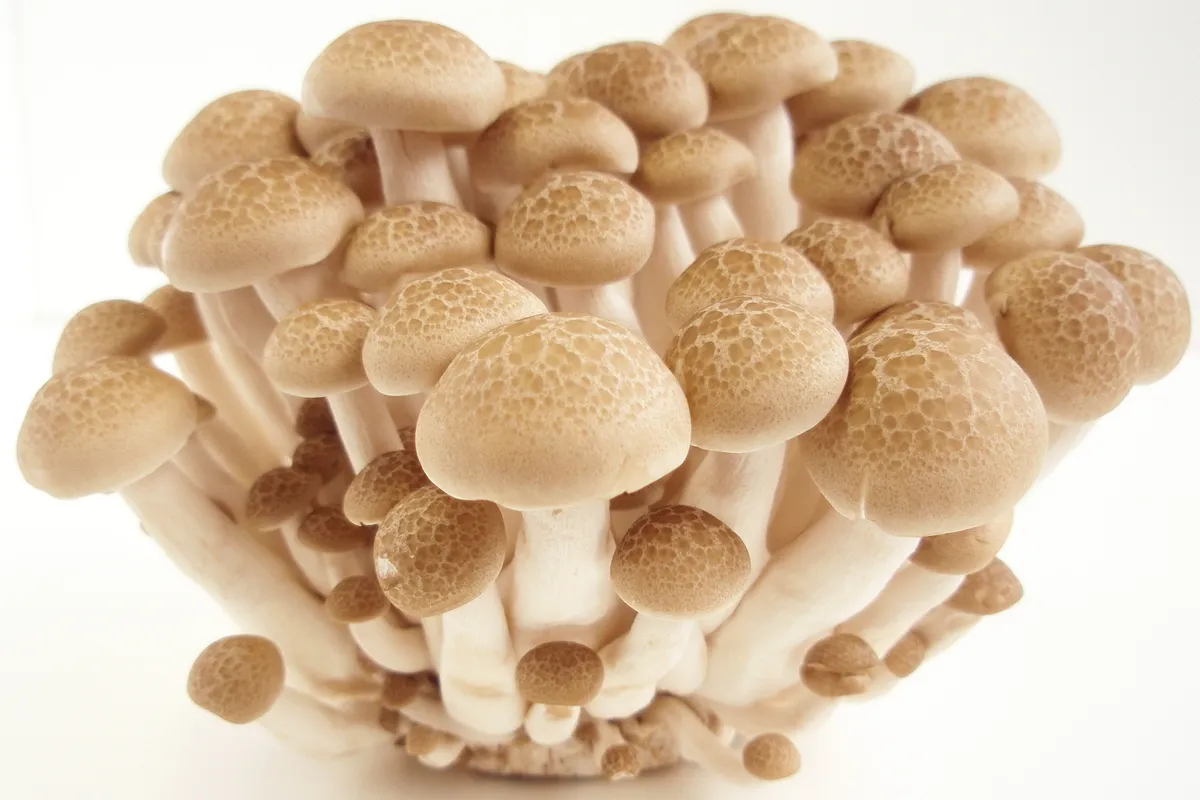
Beech Shimeji: tight bouquet

Hypsizygus tessulatus · Brown beech hypsizygus

A commercial light schedule: very dim light to set many pins, then brighter light for a tight bouquet of dark, round caps on firm stems.

Wild Pholiota adiposa chestnut mushroom fruiting bodies with golden scaly caps
Photo: bjoerns, CC BY-SA 4.0, via Wikimedia CommonsWild Pholiota adiposa, not cultivated. Not grown with this profile.

Chef's line$2.99

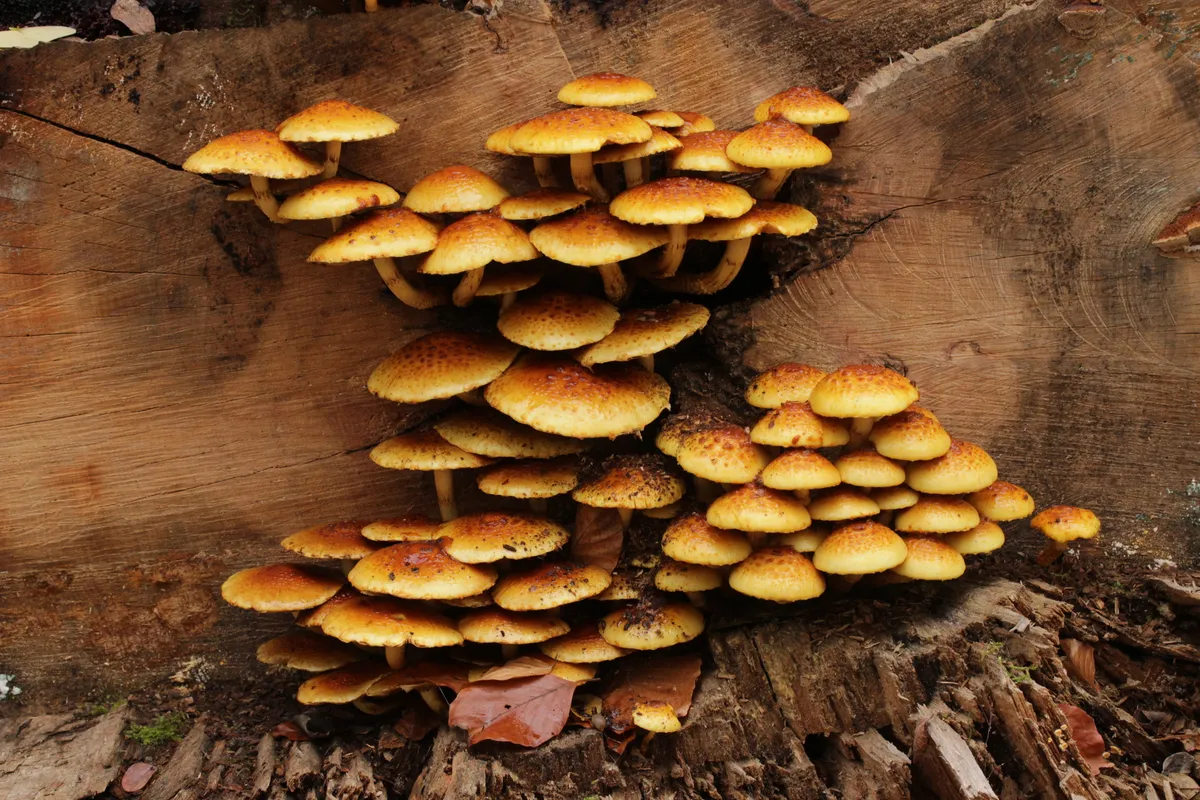
Chestnut: long stem

Pholiota adiposa · Chestnut pholiota

Red-only light during fruiting for longer, heavier stems, the crunchy part chefs want from chestnut mushrooms.

Close view of bright orange Cordyceps militaris fruiting bodies
Photo: mushroomclinicaltrials.com, CC BY 2.0, via Wikimedia CommonsCordyceps militaris. Not grown with this profile.

Chef's line$3.99

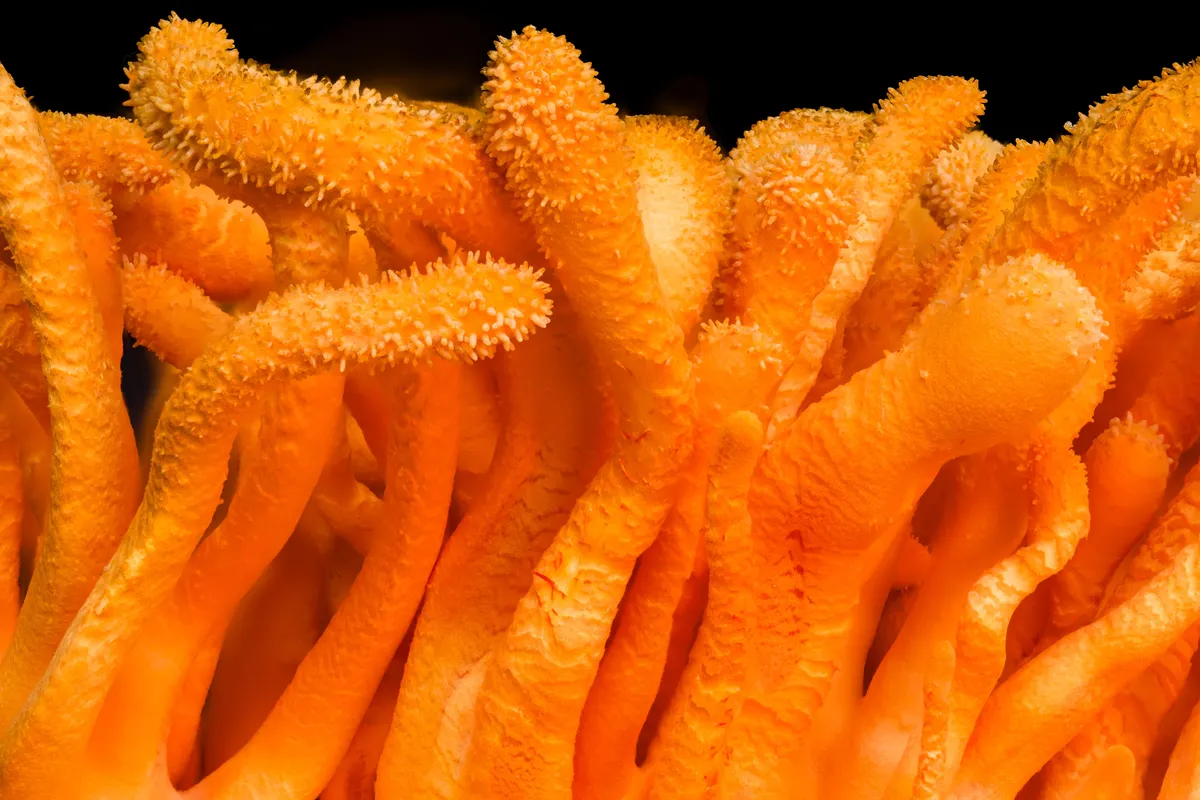
Cordyceps: deep orange under pink light

Cordyceps militaris · Cultivated militaris cordyceps

Swaps white light for a red and blue pink mix during stroma growth, the light that gave the heaviest, most colorful fruit bodies in the cited trial.

Cluster of yellow Pleurotus citrinopileatus golden oyster fruiting bodies
Photo: Innagasaki, CC0 1.0, via Wikimedia CommonsGolden oysters. Not grown with this profile.

Chef's line$2.99

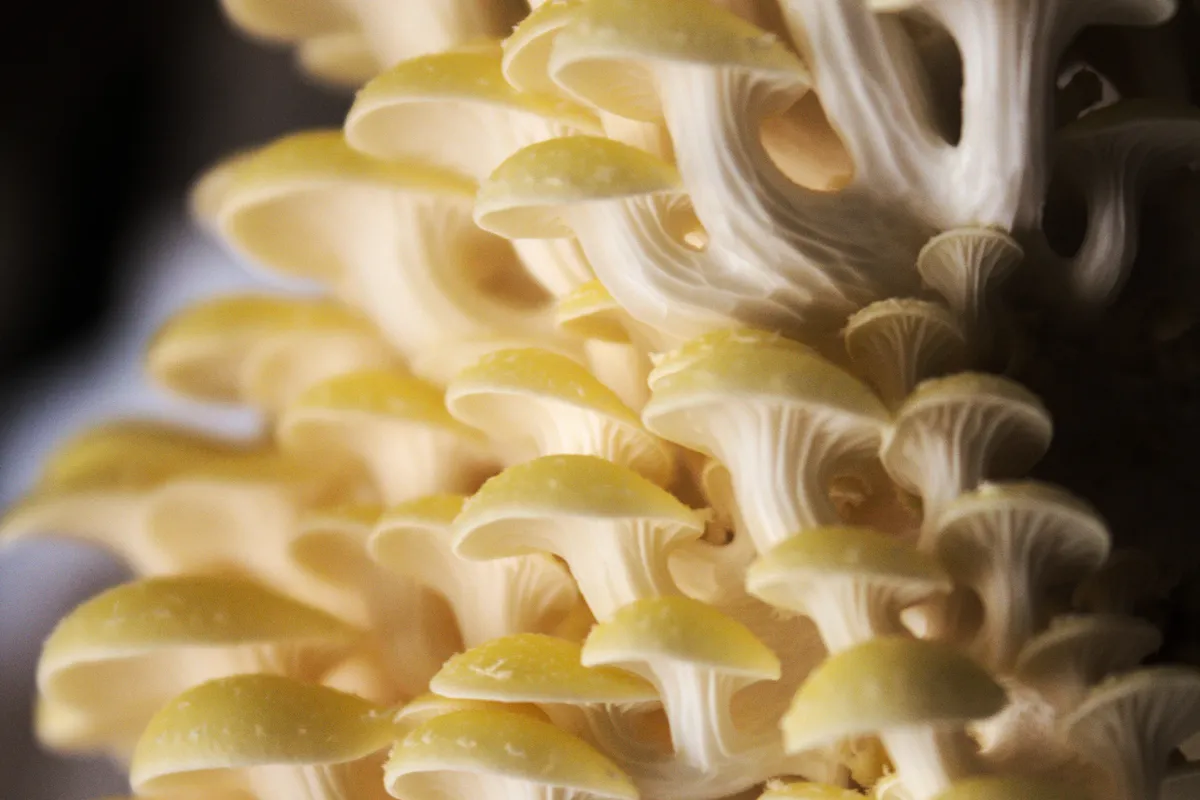
Golden Oyster: deep yellow

Pleurotus citrinopileatus · Golden

Blue-only light and held-back fresh air for fuller yellow color, thicker stems, and more savory flavor than the free card.

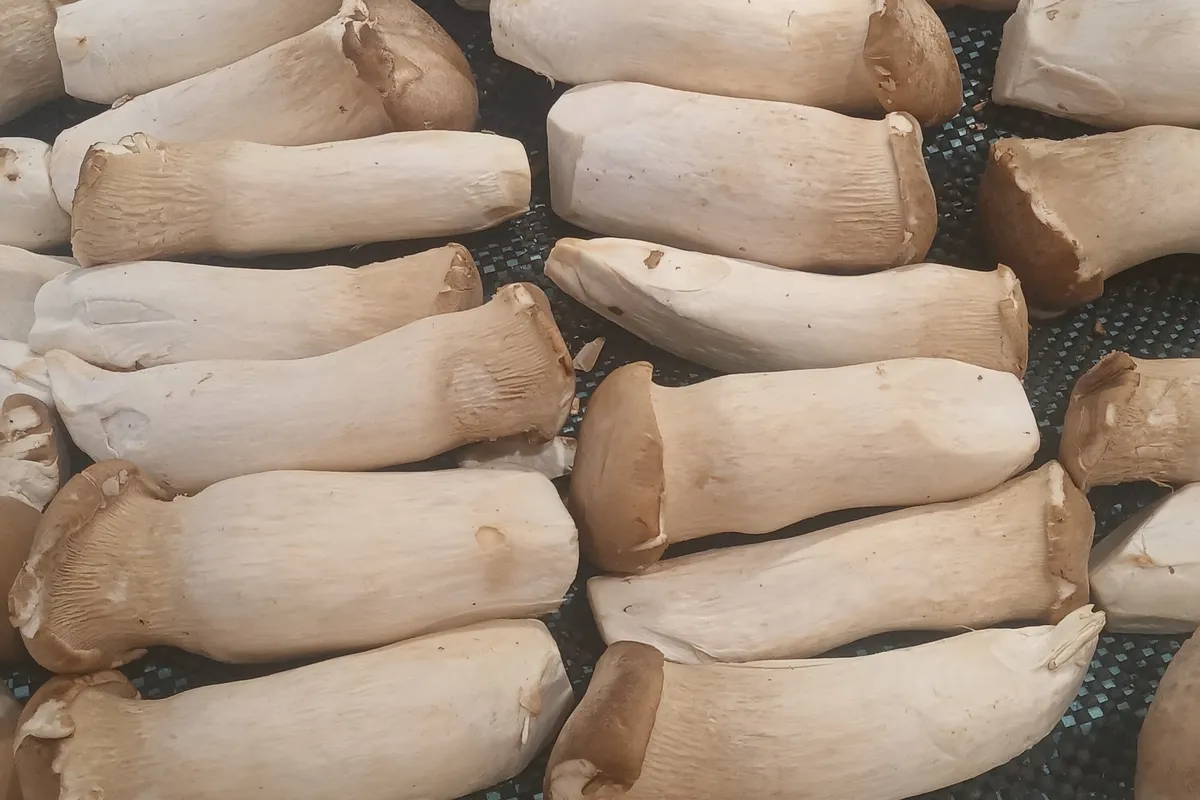
Harvested king oyster Pleurotus eryngii fruiting bodies with thick white stems laid in rows
Photo: Fumikas Sagisavas, CC0 1.0, via Wikimedia CommonsKing oysters. Not grown with this profile.

Chef's line$2.99

King Oyster: thick-stem method

Pleurotus eryngii · King

Cooler, drier fruiting with controlled fresh air for thick, meaty stems you can slice into scallop-style rounds.

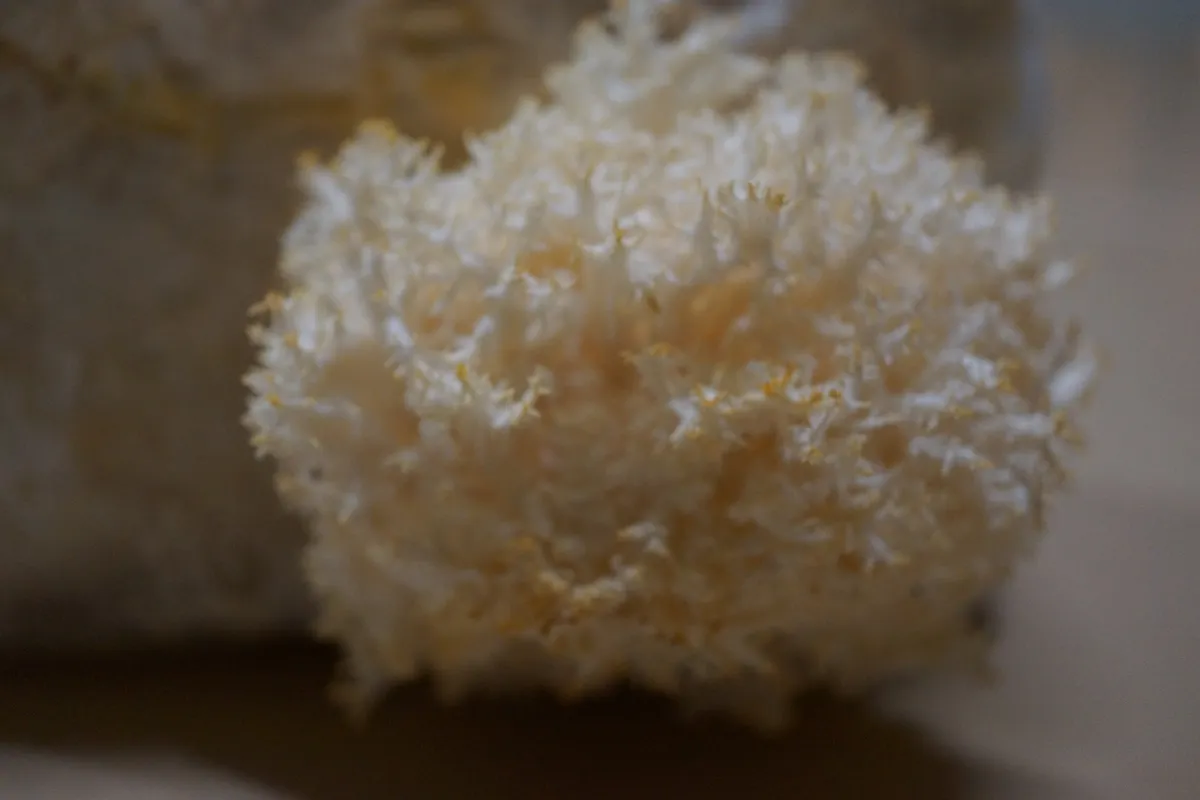
Cultivated Lion's Mane Hericium erinaceus fruiting body with dense white spines
Photo: Dr. Hans-Günter Wagner, CC BY-SA 2.0, via Wikimedia CommonsCultivated lion's mane. Not grown with this profile.

Chef's line$3.99

Lion's Mane: dense white heads

Hericium erinaceus · Standard hericium

Cooler fruiting, shade, and steady fresh air for tight, heavy heads with short spines. Cut early for a crab-like texture.

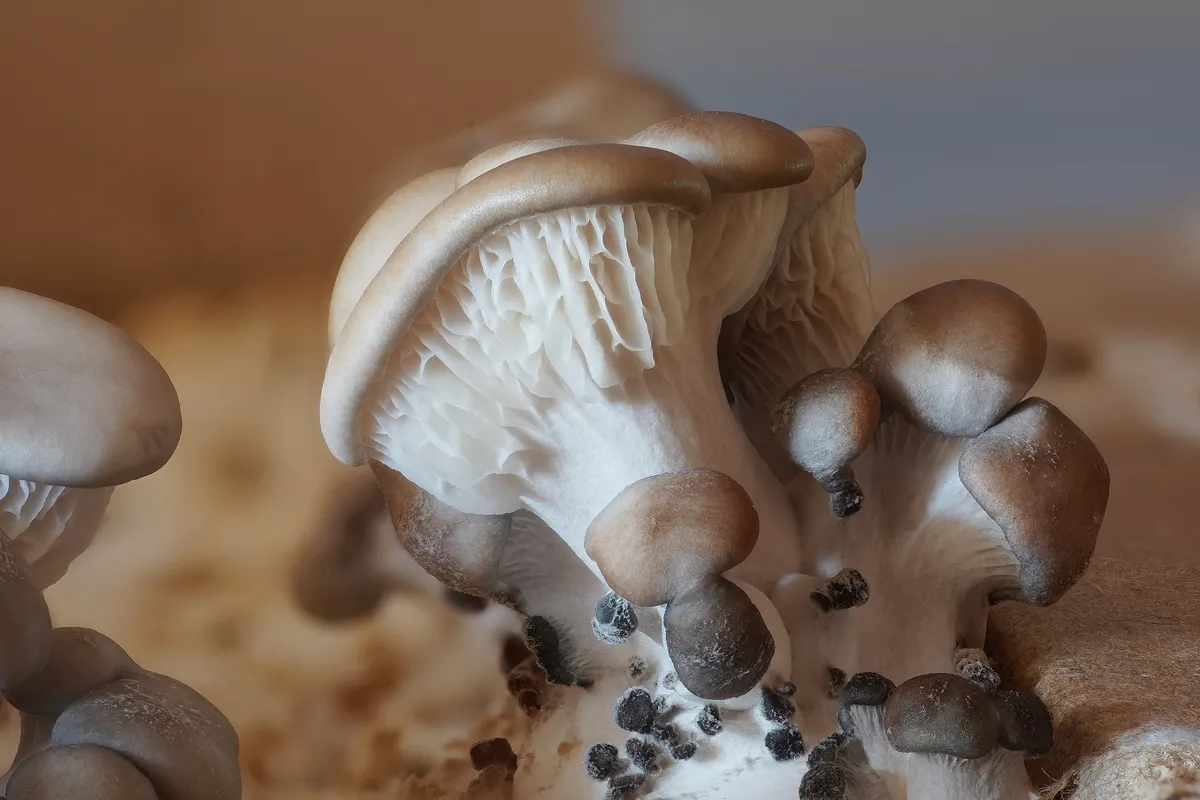
Young cultivated Pleurotus ostreatus oyster fruiting bodies on wood chip substrate
Photo: Zinnmann, CC BY-SA 3.0, via Wikimedia CommonsCultivated oyster mushrooms. Not grown with this profile.

Chef's line$2.99

Pearl Oyster: baby clusters

Pleurotus ostreatus · Pearl oyster

Lots of fresh air and an early pick for small, thick caps on short stems. The tender clusters restaurants serve whole.

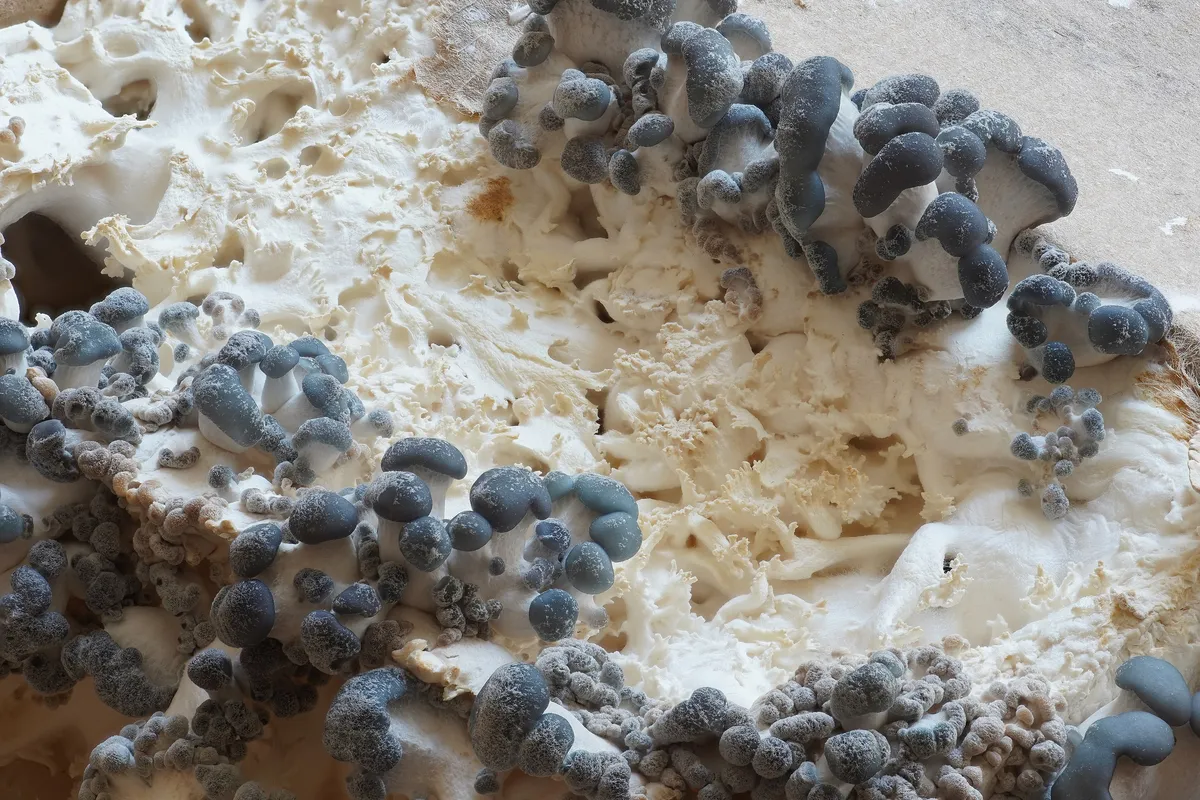
Young grey Pleurotus ostreatus oyster fruiting bodies from a grow kit
Photo: Zinnmann, CC BY-SA 3.0, via Wikimedia CommonsGrey oysters from a grow kit. Not grown with this profile.

Chef's line$2.99

Pearl Oyster: dark cap

Pleurotus ostreatus · Pearl oyster

Cool fruiting with enough light for the deep grey-brown caps and firm flesh that warm, dim grows never give.

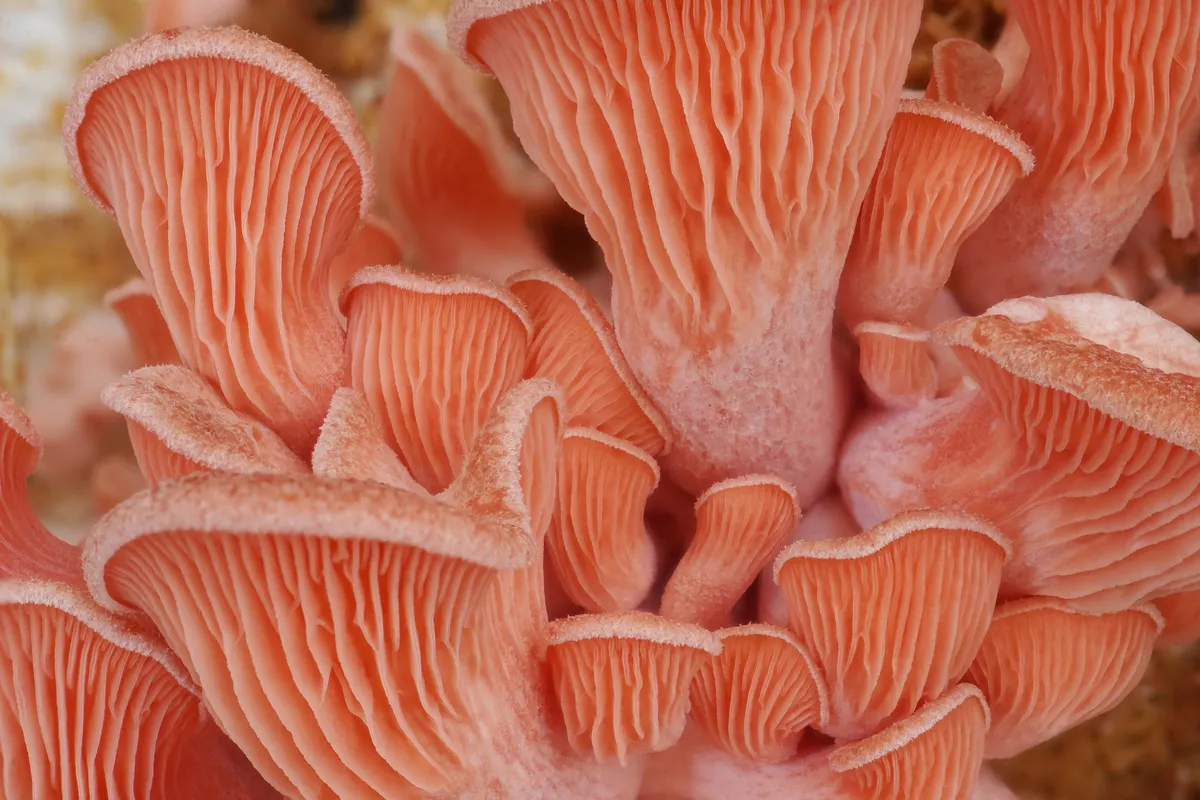
Cultivated pink Pleurotus djamor oyster fruiting bodies
Photo: Zinnmann, CC BY-SA 3.0, via Wikimedia CommonsCultivated pink oysters. Not grown with this profile.

Chef's line$2.99

Pink Oyster: bright pink

Pleurotus djamor · Pink oyster

Warm and blue-lit from pinning on, then picked young, for strong pink color and a fuller harvest than a dim grow.

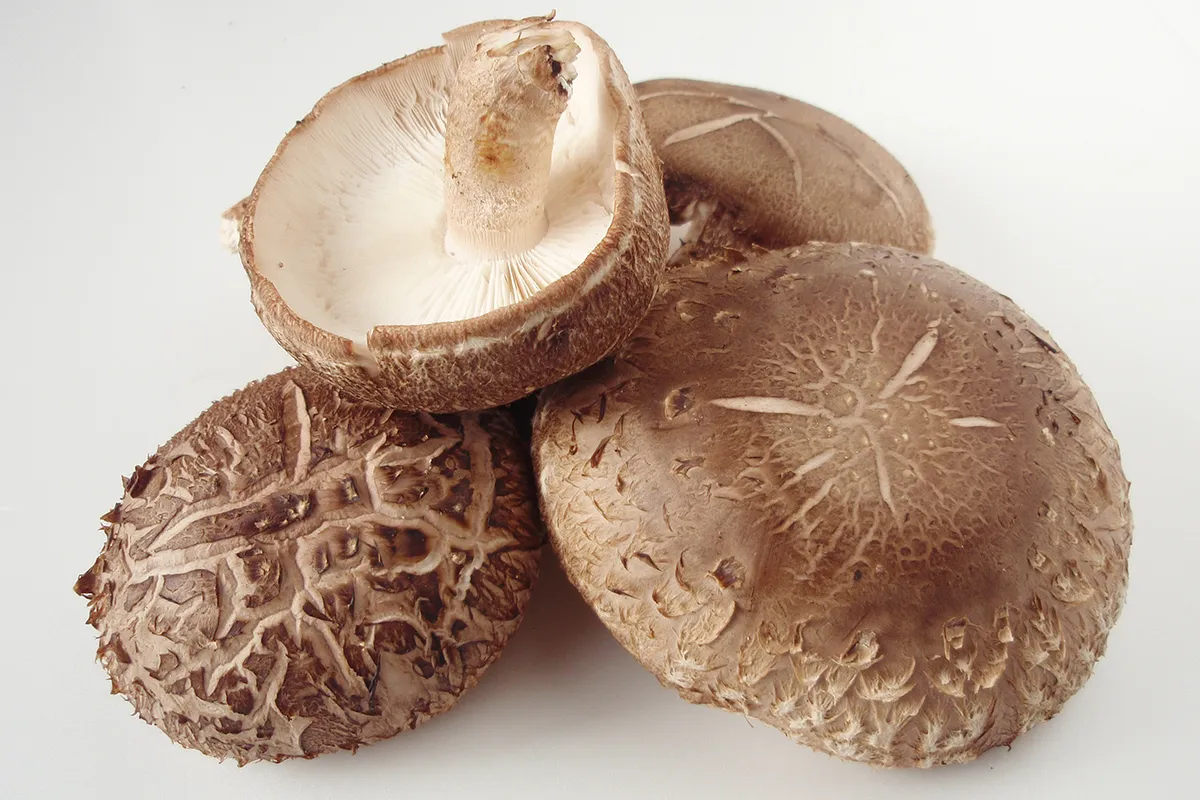
Shiitake Lentinula edodes fruiting bodies with brown caps
Photo: Batholith, Public domain, via Wikimedia CommonsShiitake, not a flower cap grow. Not grown with this profile.

Chef's line$3.99

Shiitake: flower cap (huagu)

Lentinula edodes · Cold-tolerant shiitake

The cracked white-patterned cap prized in Chinese cooking. Thick buttons, then cold dry air forces the skin to split while the flesh keeps growing.

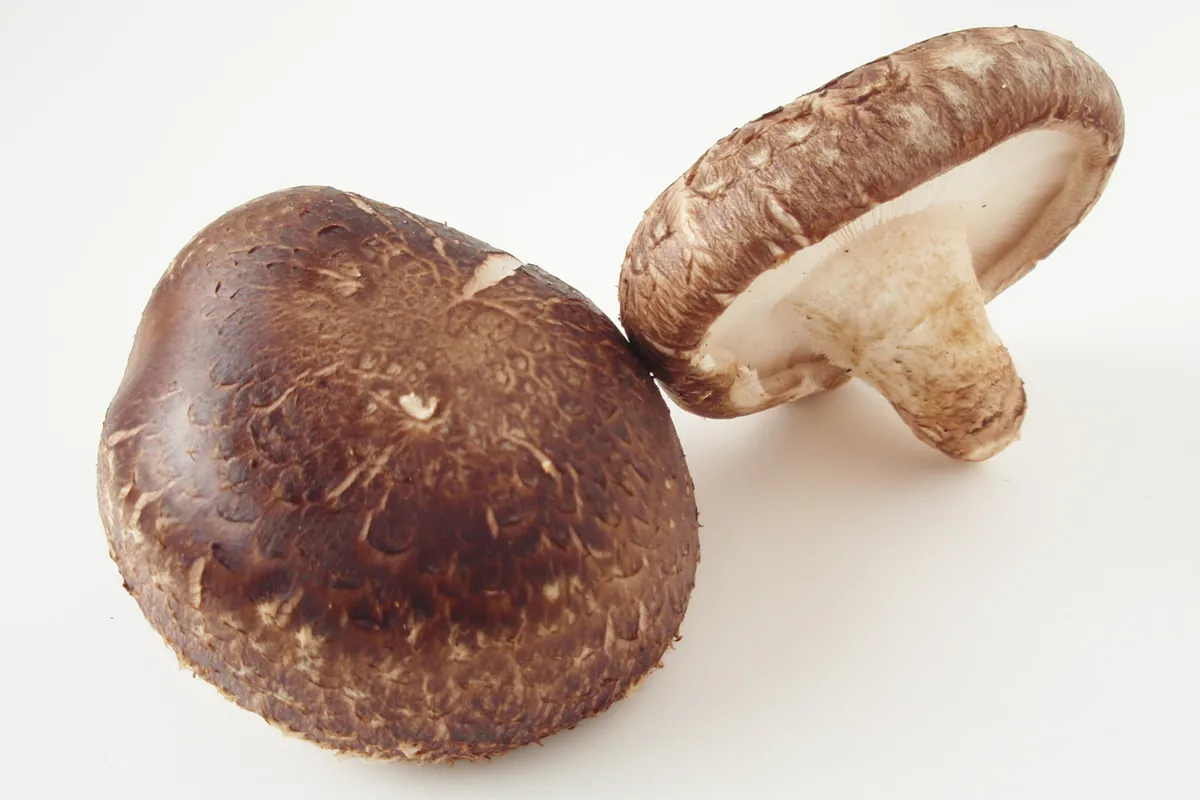
Shiitake Lentinula edodes fruiting bodies with thick brown caps
Photo: Batholith, Public domain, via Wikimedia CommonsShiitake. Not grown with this profile.

Chef's line$2.99

Shiitake: thick winter cap (donko)

Lentinula edodes · Cold-tolerant shiitake

Slow, cool fruiting for the thick, rounded cap that dried-shiitake buyers pay the most for. Picked while the edge is still curled in.

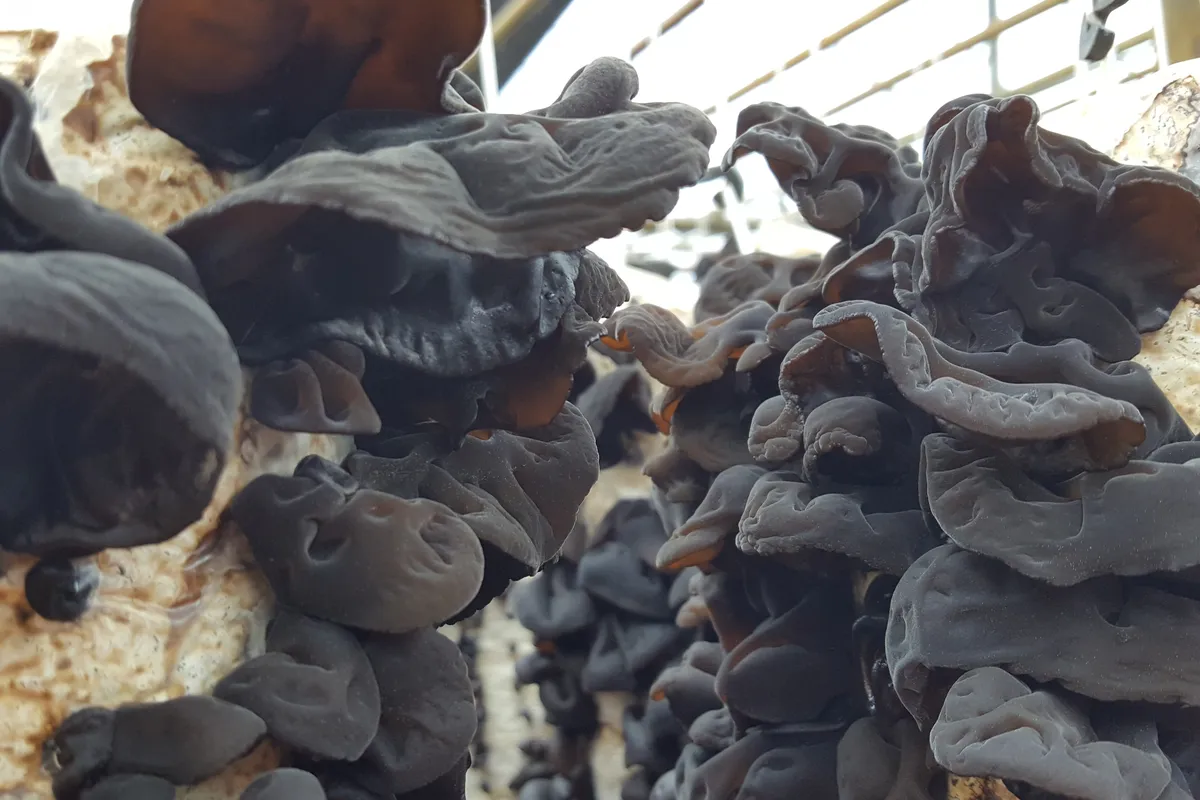
Dark wood ear Auricularia fruiting bodies on a mushroom farm
Photo: 트리오구, CC BY-SA 3.0, via Wikimedia CommonsWood ear on a farm. Not grown with this profile.

Chef's line$2.99

Wood Ear: deep black

Auricularia auricula-judae · Black wood ear auricularia

Bright, blue-heavy light during fruiting for the near-black ears prized in cold salads and hot pots.

Common questions

What is the Chef's line?

Paid grow profiles that aim at a specific result in the kitchen, such as a denser head, a thicker stem, a cracked flower cap, or a deeper color. Each one runs on a Shrooly chamber with OpenShrooly and is backed by published sources.

Do I keep a profile after I buy it?

Yes. It is a one-time purchase, not a subscription. The full recipe unlocks on your account and stays there. You can find it under Purchases on your account page.

What do I get when I buy one?

Every stage with its temperature, humidity, fresh air, and light, the stage notes, the light recipe, and the sources behind them. Your hub can pull it and apply it to your chamber.

Are the photos from these profiles?

No. They are licensed photos of the same species, credited under each one. They show the mushroom, not a harvest from this profile.